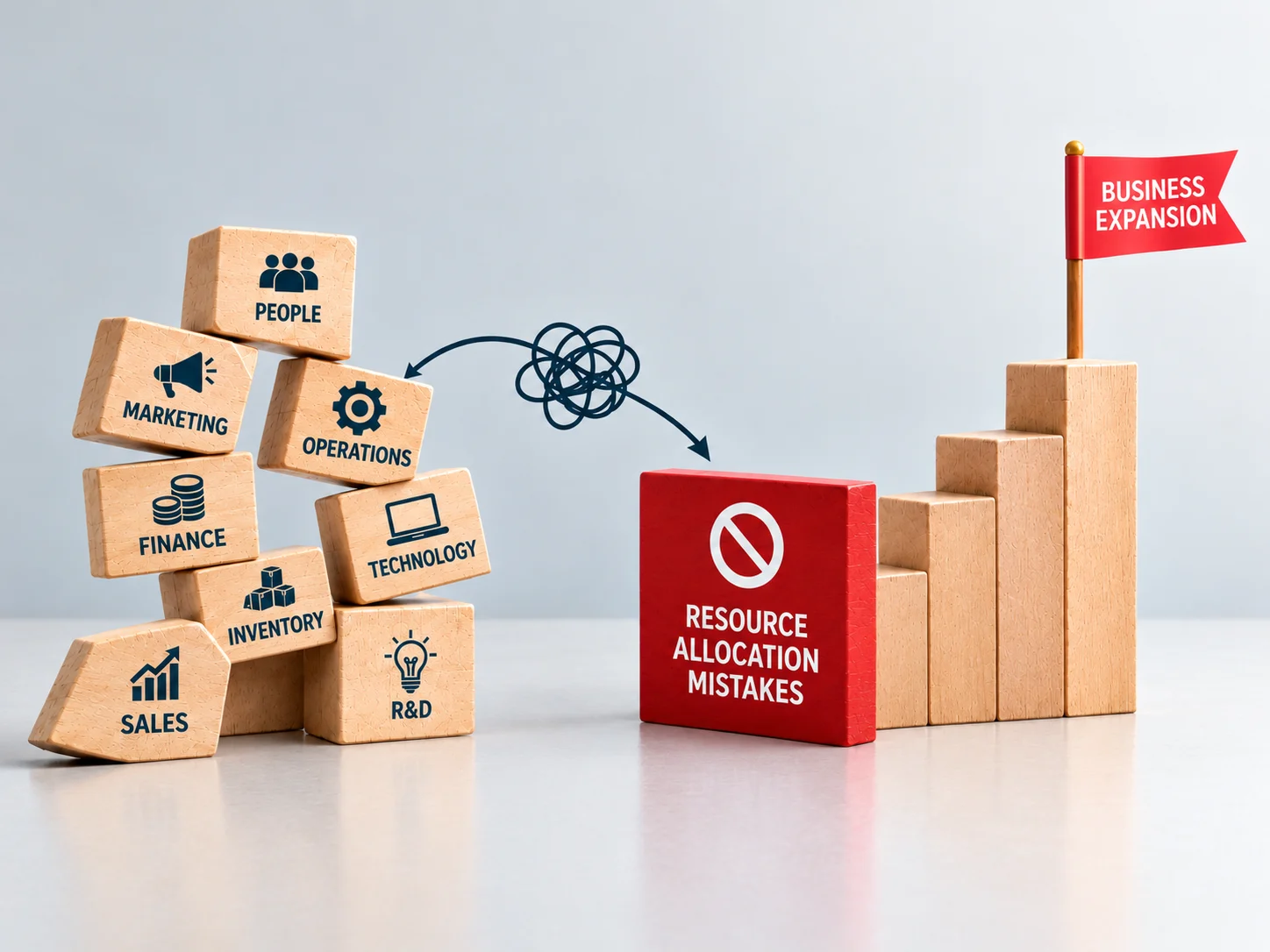



Picture this. Your orders are climbing, your team is growing, and revenue finally looks the way you hoped. Then a customer emails about a mistake that would never have slipped through a year ago. A shipment goes out wrong. A deliverable misses the mark. Suddenly, growth feels less like a win and more like juggling too many balls at once. Sound familiar? Take a breath, because you’re not failing. Quality dips as you grow because the way you worked at 50 orders a week simply doesn’t hold at 500.
The good news is that strong quality control management isn’t about slowing down at all. It’s about building a structure that lets you grow faster with fewer unpleasant surprises. In this guide, we’ll walk through why quality slips as volume rises, which practical systems actually work, and how operations teams can protect consistency without drowning in paperwork. Grab a coffee, and let’s get into it.
Why Quality Slips When Your Business Grows
Think back to the early days. Quality was personal. The founder checked the work, the small team shared the same habits, and everyone knew the standard because they helped create it. Nobody needed a written process when the whole company fit around one table. But what happens when that table gets too small? As you scale, that informal quality quietly breaks down. New hires learn from different people and pick up different shortcuts. Volume increases, so there’s less time to double-check. Handoffs between teams multiply, and every handoff is a place where details can get lost.
Here’s the part many leaders miss: the problem usually isn’t effort or talent. Your business simply outgrew its invisible systems. When quality depends on memory and good intentions, it can’t survive growth. The fix is to make it visible, repeatable, and measurable, and that’s exactly what quality control management is for.
What Is Quality Control Management?
Let’s keep it simple. Quality control management is the practice of setting clear standards, checking work against those standards, and fixing issues before they reach your customer. It brings together defined processes, regular inspection, clear ownership, and feedback loops so your product or service meets the same expectations every single time. In other words, it’s how you turn “we usually get it right” into “we always get it right”.
You’ll often hear quality control mixed up with quality assurance, so here’s an easy way to remember the difference. Quality control catches problems in the output, while quality assurance improves the process so fewer problems happen at all. Think of control as the smoke detector and assurance as the fireproof wiring. A growing business needs both, and we’ll cover each one shortly.
How Entrepreneurs Can Maintain Quality Control as Their Business Grows
So, how can entrepreneurs maintain quality control as their business grows? The honest answer is to stop being the quality system yourself. That’s tough for founders, because you’ve probably been the final checkpoint for years. But as volume climbs, personal inspection becomes your biggest bottleneck. At Mountain Monk Consulting, we see this mindset shift as the first and most important step in any scale-up, and once it clicks, everything else gets easier.
Start by defining what “good” looks like in plain language. Skip vague promises like “high-quality service” and write specific standards you can actually see and check instead. What does a perfect order look like? How fast should a response go out? What defect rate is acceptable? When standards are clear, anyone on your team can judge their own work against them. Next, document your most important processes while they’re still manageable. You don’t need a 200-page manual, because a one-page checklist for each critical workflow is often enough.
Then, assign real ownership. Every critical process needs one person who is accountable for its quality, since shared responsibility often means nobody notices when something drifts. Finally, build in measurement. Pick a handful of numbers that truly reflect quality, such as error rates, rework, complaints, and on-time delivery, and review them weekly. A strong quality control management routine isn’t complicated; it’s simply consistent.
Quality Management Systems for SMEs: Keep It Light but Real
The moment people hear “quality management system,” they picture heavy certifications and thick binders. For small and mid-sized companies, that picture is outdated and unhelpful. Effective quality management systems for SMEs are lean, practical, and built around how your team really works.
A good SME-friendly system usually has four parts. First, documented standards that define what quality means for each product, service, or process. Second, standard operating procedures for the work that matters most. Third, checkpoints placed where errors are most likely to happen. And fourth, a feedback loop that turns mistakes into improvements instead of blame. The key is to keep it in proportion to your size. A ten-person workshop doesn’t need the same setup as a global enterprise; it needs just enough structure to stop repeat mistakes and just enough flexibility to keep moving fast.
This is where an outside perspective can save months of trial and error. As a business operations consulting partner for growing companies, Mountain Monk Consulting takes an operations-first approach: start with the workflows that hurt the most, simplify them, and build quality checks into the process rather than stacking inspections on top. Not sure where to begin? Pick your top three customer-facing processes and fix those first. Quality improvements add up over time, and early wins build your team’s confidence in the new way of working.
Building Consistency in Business Operations
Customers don’t just remember how good you are on your best day. They remember how reliable you are on an ordinary Tuesday. That’s why consistency in business operations is one of the strongest drivers of trust and repeat business, and it comes from three habits working together: standardization, training, and visibility.
Process standardization means the same task is done the same way no matter who does it or where it happens. That doesn’t kill creativity; it removes needless differences so your team can spend their creative energy on problems that truly need it. Training makes the standard stick. Many growing companies onboard new hires by letting them shadow a busy colleague, which sounds efficient but often passes along bad habits as quickly as good ones. A short, structured onboarding covering key standards, common mistakes, and how to raise issues pays for itself within weeks.
Visibility keeps everyone honest in the best sense. Dashboards, shared checklists, and simple status boards help teams spot drift early, so you hear about a slipping number in days rather than months. One more tip: treat your standards as living documents and review them every quarter with the people who actually do the work. They’re the first to notice when a process has gone stale, and their input makes the standard far more likely to be followed. Done well, quality control management becomes part of the daily rhythm instead of a separate task.
Quality Assurance for Growing Businesses: Prevent, Don’t Just Catch
Many teams rely almost entirely on inspection. They find the problem at the end, fix it, and move on. That works at low volume, but at scale it gets expensive and exhausting. This is why quality assurance for growing businesses has to focus on prevention.
Prevention starts with understanding why errors happen. When a mistake occurs, ask what in the process allowed it, not who made it. Maybe the instructions were unclear, two systems don’t talk to each other, or the team was rushed by unrealistic deadlines. Fixing the cause removes the problem for everyone, not just the person involved. Root cause analysis doesn’t need to be complicated, either. The classic “five whys” method, where you keep asking why until you reach the underlying issue, works for most operational problems. Pair it with a simple log of repeat issues, and patterns will show up quickly.
Automation can help too, especially for repetitive checks like order validation, automated reminders, and template-based documents. Just remember that automation should support a clear process, not replace the need for one. Automating a messy process only creates messy results faster. Strong quality control management always starts with a clear process, and tools come second.
Common Mistakes That Hurt Quality During Growth
A few patterns show up again and again in scaling businesses. Do any of these ring a bell? The first is hiring fast without training properly, which multiplies inconsistency. The second is adding more inspection instead of fixing the process, which raises costs without improving results. The third is ignoring customer feedback until complaints become a pattern. And the fourth is treating quality control management as the operations team’s job alone, when it really involves sales promises, customer support, product design, and leadership priorities.
Quality works best when it’s part of the culture, not a department. When leadership talks about it, measures it, and rewards it, teams treat it as a core responsibility rather than a chore. The teams we work with at Mountain Monk Consulting make the fastest progress when leaders visibly own quality from day one.
Quick Self-Check: Is Your Quality Keeping Pace With Growth?
Take a minute and ask yourself a few honest questions. Can a new hire do the job correctly without shadowing someone for weeks? Do you know your error rate for this week, not last quarter? Does every critical process have one clear owner? If you answered no to two or more, that’s not a reason to panic. It simply tells you where to start strengthening your quality control management system. For a clearer picture, a short business assessment can show exactly where quality is slipping and which gaps to fix first.
Final Thoughts: Grow Bigger Without Getting Sloppier
Growth should feel like progress, not pressure. When you treat quality control management as a system rather than a heroic effort, your team gains clarity, your customers gain confidence, and you gain the freedom to scale without constantly firefighting. Start small: define your standards, document your top processes, assign owners, and measure what matters. Review, refine, and repeat.
And if your operations team is already feeling the strain, you don’t have to figure it all out alone. The team at Mountain Monk Consulting works with growing businesses to simplify workflows, build practical quality systems, and bring consistency back into everyday operations. Curious where quality is slipping and what to fix first? Reach out for a conversation, and let’s build a business that scales with confidence.
Frequently Asked Questions
What is quality control management in simple terms?
Quality control management is the process of defining quality standards, checking work against them, and correcting issues before they reach customers. It helps businesses deliver consistent results regardless of volume or team size.
Why does quality drop when a business grows?
Quality usually drops because informal habits and the founder’s personal checks can’t keep up with higher volume, new hires, and more handoffs. Without documented processes and clear ownership, small differences turn into repeat errors.
How can entrepreneurs maintain quality control as their business grows?
Entrepreneurs can maintain quality control by defining clear standards, documenting key processes, assigning ownership, tracking a few meaningful metrics, and training new team members properly. The goal is to move quality from the founder’s head into the company’s systems.
Do small businesses really need a quality management system?
Yes, but it should be lightweight. A simple system with defined standards, checklists for critical tasks, and a regular review process is often enough for SMEs. It prevents repeat mistakes and makes growth much less stressful.
What’s the difference between quality control and quality assurance?
Quality control checks the finished output to catch defects, while quality assurance improves the process to prevent defects in the first place. Growing businesses need both, with more focus on assurance over time.
How do I know if my quality systems are working?
Look at your trends. Falling error rates, fewer customer complaints, less rework, and more predictable delivery times are all signs that your quality control management is doing its job. If numbers are flat or worsening despite more effort, the process probably needs a rethink.