



The rupee is under pressure again in 2026, and if you run an import-dependent or export-oriented SME, you already know this isn’t just another headline scrolling past on a business news channel. It shows up in your landed costs, your raw material bills, and eventually in the profit margin you had planned around. Every time the rupee slips against the dollar, businesses that depend on imported components or machinery watch their input costs climb almost overnight, while exporters who thought a weaker rupee would work in their favour often find that advantage quietly eaten up by currency swings elsewhere in their supply chain. Cost reduction strategies, in this environment, stop being something you do once a year during a slow quarter. It becomes part of how you run the business, full stop.
We’ve seen this play out with several SME owners we work with at Mountain Monk Consulting. And one thing stands out every time: the businesses that come out ahead during these currency cycles aren’t necessarily the ones with the biggest cash reserves. They’re the ones who know their cost structure inside out and are willing to act on it before the pressure turns into a genuine crisis.
Understanding the Real Impact of Rupee Depreciation on Business Operations
The rupee depreciation impact on business goes well beyond the obvious line item, “imports have become more expensive.” When the currency weakens, imported raw materials and components cost more, and that pushes up your cost of goods sold, quietly squeezing gross margins even when your sales numbers look perfectly fine on the surface. Export-oriented SMEs often assume this works in their favor, and on paper, a weaker rupee does make exports more competitive internationally. But most Indian exporters also import something, whether it’s packaging material, specific components, or machinery parts, so rising costs on the procurement side often cancel out that pricing advantage on the revenue side. Throw in the effect on loan repayments for businesses carrying foreign currency debt, and you start to see how currency depreciation attacks margins from more than one direction at once.
That’s really the reason operational cost reduction strategies can’t be a fire drill you run only when the rupee takes a sharp fall. You have to bake it into how you plan procurement, manage inventory, and structure supplier relationships all year round, not just when the exchange rate makes headlines.
Why Cost Reduction Strategies Matter More During Currency Volatility
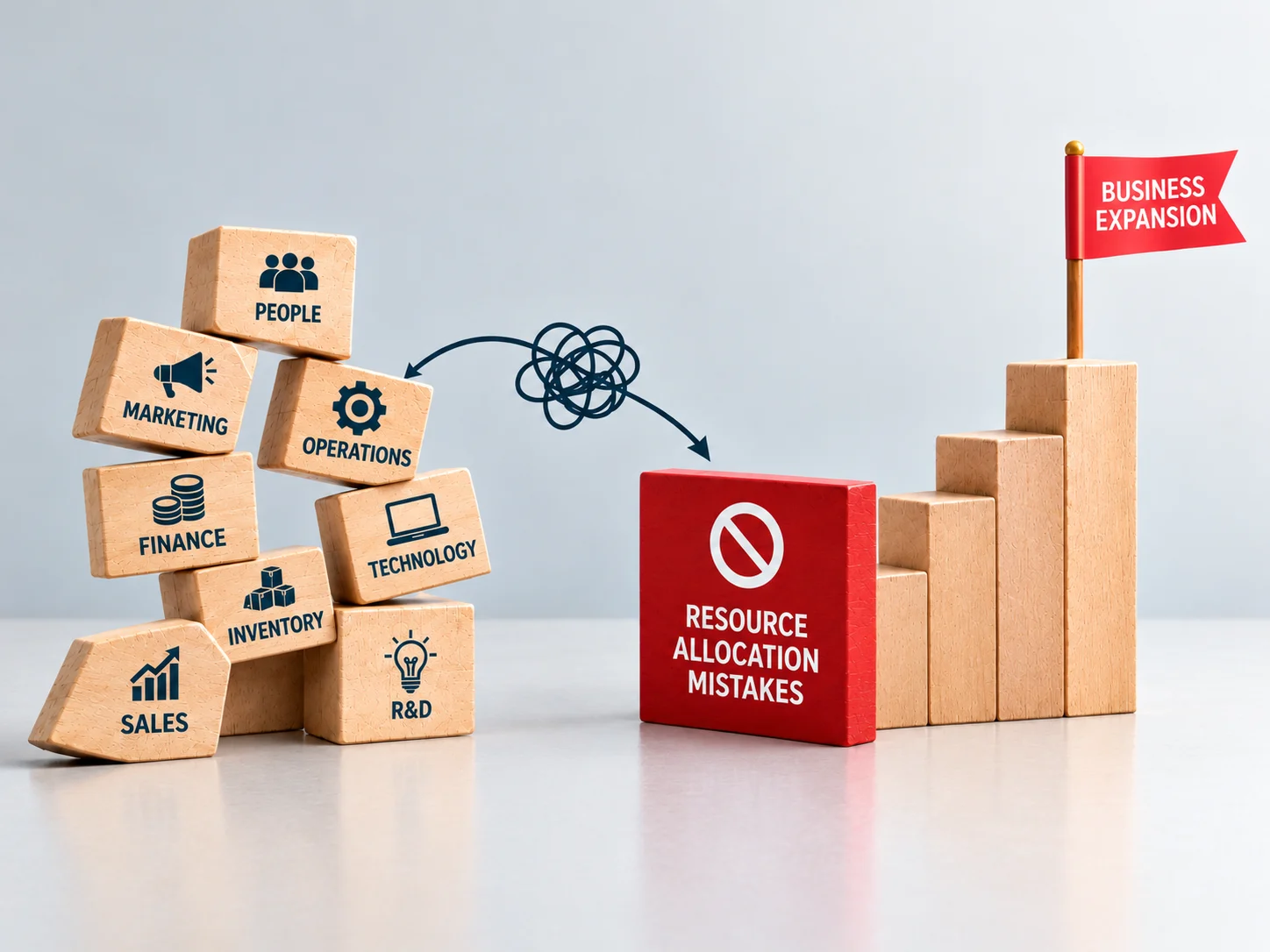
When your margins are already thin, it doesn’t take much for an input cost increase to turn a profitable order into a loss. This is exactly where good cost reduction strategies separate businesses that ride out a volatile currency cycle from those that struggle to keep their head above water. And to be clear, this isn’t about cutting corners on quality or slipping on delivery timelines. It’s about finding where money is quietly leaking out of the business and plugging that leak without touching the value your customers actually pay for.
For most SMEs, this means going back to vendor contracts nobody has revisited in years, taking a hard look at energy and utility usage on the shop floor, and asking honestly whether every step in the current supply chain still earns its place. More often than not, when owners actually sit down and go through this, they find a fair chunk of their cost base has crept up over time simply because nobody went back to check it after the initial setup.
Best Cost Reduction Strategies for SMEs in India
Of all the best cost reduction strategies for SMEs in India, procurement optimisation tends to give you the quickest, most visible results. That means consolidating purchase volumes across your product lines to negotiate better rates, exploring domestic sourcing where you previously imported, and deliberately keeping more than one supplier in the mix so the currency never traps you into unfavourable pricing. Inventory rationalisation is the other strategy worth prioritising, and it’s one of the simplest cost reduction strategies you can put into practice almost immediately. Excess raw material or finished goods tie up working capital you could use elsewhere and expose you more to price swings, whereas a leaner, demand-linked inventory approach cuts holding costs and currency risk at the same time.
Energy efficiency is one area we find gets ignored far too often. Manufacturing SMEs, in particular, can save meaningfully just by upgrading old equipment, tightening up maintenance schedules, and shifting heavier power consumption to off-peak hours wherever the tariff structure allows it. Beyond that, renegotiating logistics contracts, consolidating shipments, and reviewing warehousing arrangements usually turn up cost leaks that have been sitting there unnoticed for years. None of this needs a big capital outlay, which is exactly why energy efficiency remains one of the most underused cost reduction strategies among manufacturing SMEs. What it needs is someone actually sitting down and reviewing operations end to end, the kind of ground-level push toward operational efficiency that most SME teams simply don’t have the bandwidth for while they’re busy running the day-to-day.
Operational Cost Reduction Techniques That Protect Profit Margins
Protecting your profit margins during a rupee depreciation phase rarely comes down to one single fix. It usually takes a combination of cost reduction strategies working together across procurement, production, and admin. On the procurement side, forward contracts and hedging arrangements against foreign currency exposure can stabilise your input costs even while the rupee itself keeps moving, giving your finance team something predictable to plan around instead of guessing every month. On the shop floor, cutting down wastage, improving first-pass yield, and standardising processes across shifts brings down the per-unit cost of production without touching output quality.
Overheads deserve a closer look too, if only because they’re usually the easiest to trim without customers noticing anything different. Going through software subscriptions, consolidating vendor payments, and automating repetitive back-office work frees up both cash and your team’s time. In our experience, the SMEs that protect their margins best through a depreciation cycle are the ones treating cost management as a habit built into how they operate, moving toward genuine operational excellence rather than a scramble that only kicks in once the numbers start looking bad.
How to Protect Profit Margins During Currency Depreciation
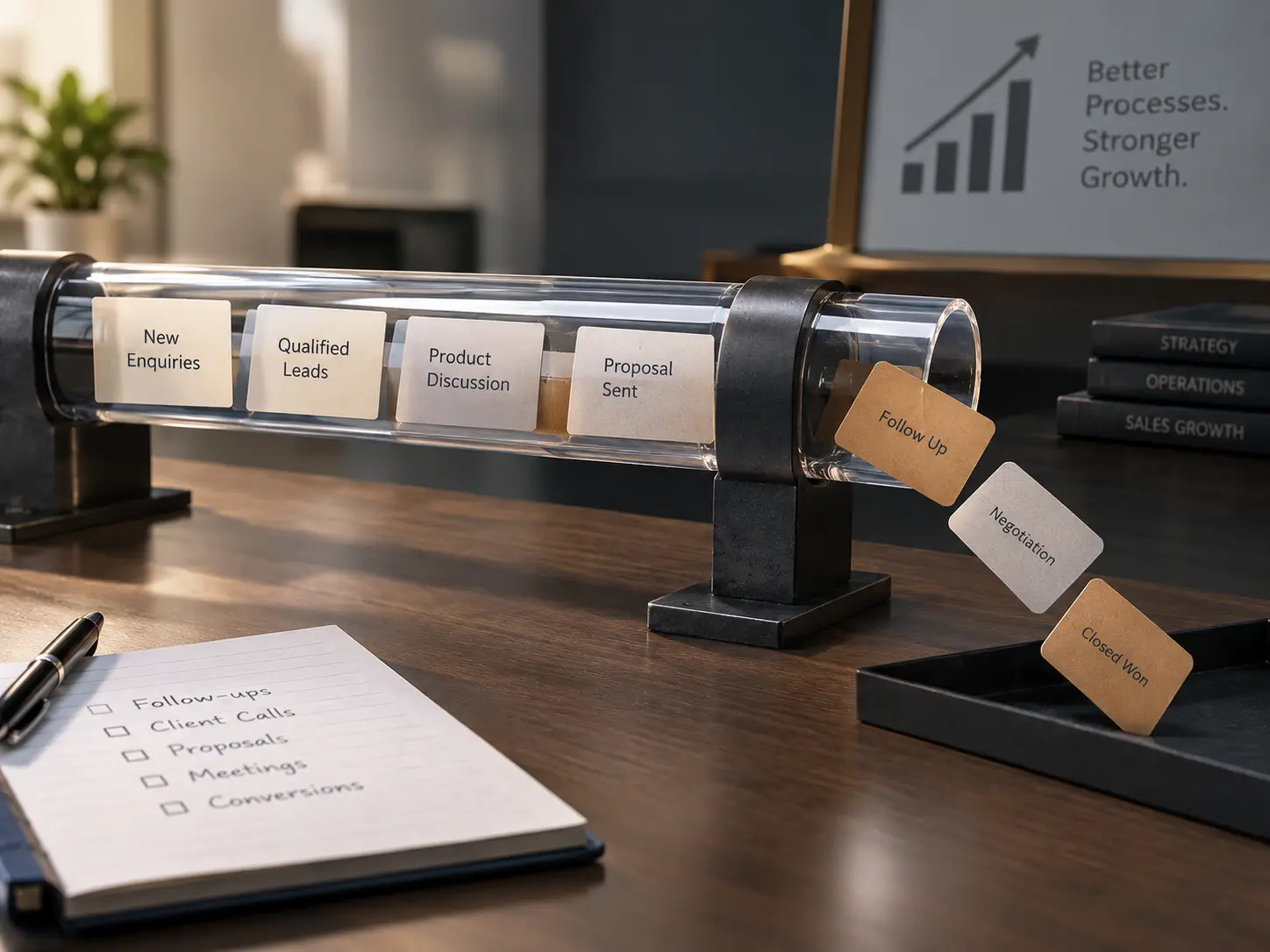
If you’re wondering how to protect profit margins during currency depreciation, it really starts with visibility. A lot of SME owners are still pricing and procuring based on cost assumptions that are months out of date, simply because internal reporting hasn’t kept pace with how fast currency-driven costs can shift. Once you build a monthly cost review habit, tracking landed costs, supplier pricing, and margin performance against currency movement, you can react within weeks instead of finding out the damage at the year-end audit, which is far too late to do anything meaningful about it.
Pricing needs to move with your cost structure too, and these cost reduction strategies work best when they’re paired with proactive, well-timed pricing decisions rather than used on their own. Businesses that delay passing on currency-driven cost increases end up absorbing losses quietly for months, while those that communicate openly with customers about currency-linked pressures tend to hold onto those relationships even while adjusting rates. Put this pricing discipline together with the operational techniques we covered above, and you get a layered defence against margin erosion, rather than betting everything on a single lever to absorb the full impact.
Getting From Cost-Cutting Ideas to Real Operational Efficiency
Listing out cost-cutting strategies for small businesses on a slide is the easy part. Actually implementing them across procurement, production, and finance, while your daily operations keep running without disruption, is usually where most SMEs hit a wall on their own. It’s less about knowing what to fix and more about having the time, structure, and outside eyes to fix it properly. At Mountain Monk Consulting, we start with a detailed cost and process audit that pinpoints exactly where the inefficiencies are hiding and follow it up with a prioritised action plan built around changes that protect your margin fastest, not just the ones that look good on paper.
We’re not in the business of handing over generic recommendations and walking away. We work alongside your team to actually implement the procurement renegotiations, inventory changes, and process fixes in a way that fits your business, your industry, and your specific currency exposure. The point isn’t a one-time report gathering dust in a drawer, it’s building real operational excellence into how your business runs so it keeps holding up regardless of where the rupee goes next.
Protect Your Margins Before the Next Currency Swing
Rupee depreciation isn’t something a business can just wait out. It’s a recurring reality for Indian SMEs, especially those tied to imports or serving export markets, and building resilience against it isn’t optional anymore. The businesses that treat cost reduction strategies as part of how they operate, rather than something they scramble to do when the rupee falls sharply, are the ones that come out ahead through every currency cycle.
If you’re ready to take a real look at where your operations are leaking margin and want a practical plan you can actually act on rather than just read, Mountain Monk Consulting would be glad to help. Get in touch for an operational cost audit built around your business, and let’s work on a cost structure that holds up no matter which way the rupee moves next.
Frequently Asked Questions
What are the most effective cost reduction strategies for SMEs facing rupee depreciation?
Procurement renegotiation, inventory rationalisation, and energy efficiency improvements tend to work best together. These three areas usually deliver the fastest, most measurable savings without needing a big capital outlay, which makes them a practical starting point for SMEs dealing with rising input costs from currency depreciation.
How does rupee depreciation impact import-dependent SMEs differently from exporters?
Import-dependent SMEs feel it directly through higher landed costs, since every unit they bring in simply costs more in rupee terms. Exporters often assume a weaker rupee works in their favour, and to an extent it does in global pricing, but if they’re also importing inputs, rising procurement costs chip away that advantage, so the net effect is usually smaller than it looks at first glance.
How quickly can these cost reduction strategies show results for a small business?
Vendor renegotiation and inventory rationalisation can show up in the numbers within a quarter or two, sometimes faster. Bigger structural changes, like energy efficiency upgrades or reworking the supply chain, take longer to play out fully, but even those usually start delivering partial savings within the first few months.
Should SMEs raise prices immediately when the rupee depreciates?
Not necessarily overnight, but waiting too long to adjust is usually worse than a gradual, well-communicated price correction. SMEs that pair cost reduction techniques with timely, transparent pricing conversations with their customers tend to protect margins better than those relying on just one of the two.
Why should an SME bring in outside help instead of handling cost reduction strategies internally?
Internal teams are usually stretched thin just keeping daily operations running, so a proper cost audit or structural review often keeps slipping down the priority list. An outside operations perspective brings a tested framework and enough distance to spot inefficiencies a busy internal team might miss, which usually means SMEs move toward operational excellence faster and with a much clearer sense of what results to expect.
We are a business consulting firm in India helping SMEs build this kind of operational and financial resilience.