


Be honest: how many different tools does your team open before lunch? Sales numbers in one app, invoices in another, stock counts in a spreadsheet, and customer details buried in somebody’s inbox. Nobody planned it this way. Each tool solved a real problem when you started using it. But today, your team probably spends more time copying data between tabs than actually serving customers.
If that sounds familiar, relax. You’re not doing anything wrong. It’s a natural side effect of growth, and it’s exactly what business system integration is meant to fix. When a business is small, a few separate tools and a shared spreadsheet are usually enough. But as customers, orders, and team members increase, those same tools start creating gaps, delays, and confusion that nobody has time to sort out.
The good news is that this can be fixed without rebuilding everything from scratch. In this guide, we’ll explain how business system integration works, why it matters for growing companies, and how you can build a technology foundation that scales with you instead of slowing you down.
What Is Business System Integration?
Business system integration is the process of connecting your software tools, such as accounting, CRM, ERP, inventory, and reporting, so they share data automatically and work as one connected system. Instead of people acting as the bridge between tools, the tools talk to each other directly.
Think of it this way. Without integration, your software is like colleagues sitting in separate rooms with no phones. Each one knows its own job but has no idea what the others are doing. When everything is connected, a sales rep closes a deal, finance sees the invoice, operations sees the order, and management sees the revenue, all without a single “just checking if you got my update” message. That’s the real value of business system integration: your company runs on reliable information instead of people’s memory.
Signs Your Business Has Outgrown Its Current Tools
Here’s a quick self-check. Does your team type the same customer or order details into two or three places? Does a simple monthly report take days because someone has to pull numbers from five sources? Do different people quote different figures for the same metric? And if one key person goes on leave, does the work stall because only they understand the spreadsheet?
If you answered yes to two or more, your business is almost certainly running on too many disconnected tools. These signs creep in slowly, which is why they’re so easy to brush off as “just how things are”. But this is exactly the stage where business system integration delivers the biggest payoff.
The Hidden Cost of Disconnected Systems
Wasted time is the obvious cost, but the deeper ones are easy to miss. Every manual data transfer is a chance for a typo, a missed update or a duplicate entry, and one wrong figure on an invoice can lead to unhappy customers and awkward conversations. When you can’t trust your data, you either wait or guess, and neither works well in a competitive market.
There’s also a cost to your people, because talented employees don’t enjoy repetitive data entry. And there’s a ceiling on growth. A process that works comfortably at 20 orders a week often falls apart at 200. If your systems can’t handle that jump, you’ll feel the strain exactly when demand is highest.
How Businesses Can Move Beyond Spreadsheets and Manual Tracking
Spreadsheets deserve some credit. They’re flexible, familiar, and free, which is why almost every business starts with them. The problem is relying on them for jobs they were never designed to do, like managing customer relationships or tracking live inventory. So how can businesses move beyond spreadsheets and manual tracking without disrupting daily operations?
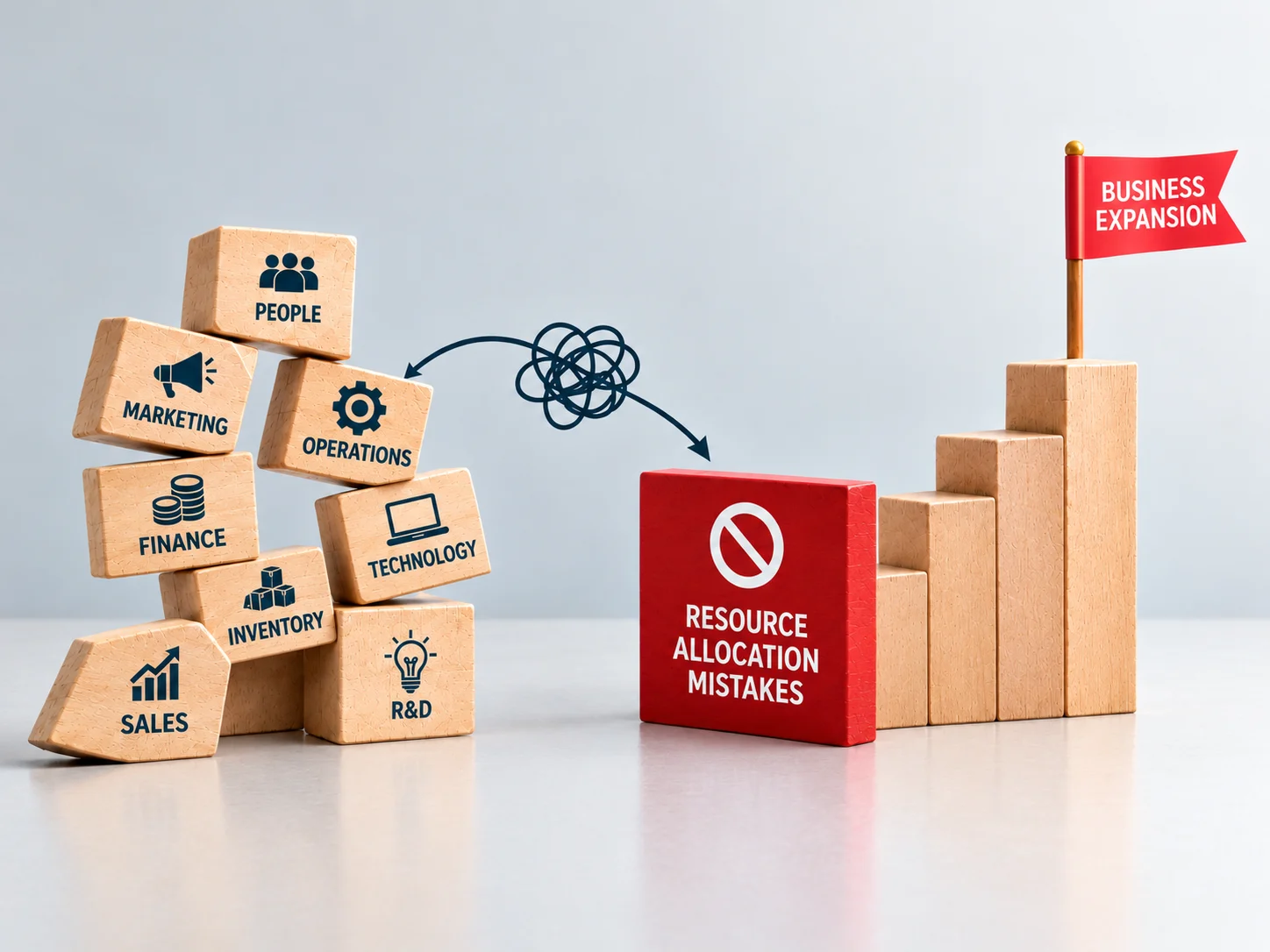
Start by mapping how information actually flows through your business: where a lead comes from, who creates the invoice, and where stock gets updated. Then pick your single biggest bottleneck, such as order processing, and solve that first. Early wins build momentum. Next, choose tools that can connect with each other, which simply means asking whether any new software can share data with the tools you already use. A great tool that can’t talk to your other tools just becomes another data island.
Finally, move over gradually. Run the new system alongside the old process for a short time, and once your team trusts it, stop using the spreadsheet. The goal isn’t to get rid of every spreadsheet overnight. It’s to make sure your critical data lives somewhere reliable, shared, and automated.
ERP and CRM Integration: The Backbone of Scalable Operations
If you’re wondering where to begin, ERP and CRM integration is the most popular starting point for business system integration, and for good reason. Your CRM holds everything about your customers, including conversations, quotes, and deal stages. Your ERP handles inventory, purchasing, billing, and fulfillment. When the two don’t talk, your sales team promises things the warehouse can’t deliver, and finance chases information sales already has.
Connect them, and the story changes. A sales rep can check live stock before confirming a delivery date. Orders flow straight into fulfillment and invoicing without anyone retyping them, and customer service sees the full history in one place. The result is fewer handoffs, fewer mistakes, and a noticeably better customer experience.
Benefits of Business System Integration for Growing SMEs
So what do you actually get in return? Faster reporting, because your data is already in one place. Fewer errors, because nobody is retyping anything. Better decisions, because you can trust the numbers. And happier teams, because repetitive work simply disappears. Most importantly, business system integration lets you add customers, products, or locations without adding chaos.
Picture a Monday morning where your dashboard already shows last week’s sales, current stock, and pending invoices, without anyone building a report. That isn’t just for large companies. With the right connections in place, even a small team can work this way, and it frees up hours every week for the work that actually grows the business.
Digital Transformation for Growing Businesses: Start With Strategy, Not Software
Here’s where many SMEs go wrong. They hear “digital transformation” and start comparing software demos. But digital transformation for growing businesses isn’t a shopping exercise. It’s a strategic shift in how your company uses information to make decisions. Buying tools without a plan usually brings back the exact problem you were trying to escape.
A strategy-first approach begins with your goals. Where do you want your business to be in three years? Next comes an honest audit of what you already have, since some tools are worth keeping and connecting. Then you decide what comes first, so each step delivers clear benefits and sets up the next one. Business system integration should be a core part of that roadmap, not an afterthought.
Technology Adoption for SMEs: Making Change Stick
Technology adoption for SMEs is rarely a technical challenge. It’s a human one. Teams get comfortable with their routines, even slow ones, and a new system can feel like extra work long before it feels like help. Even the best-connected setup fails if nobody uses it.
A few habits make a big difference. Involve your team early, because the people doing daily tasks know exactly where things get stuck. Explain the “why” in plain language so the change feels like help, not like someone watching over their shoulder. Train in small, practical sessions tied to real work, and pick one go-to person inside the team who can answer quick questions. This people-first mindset is central to how Mountain Monk Consulting works with growing companies.
Our Approach to Digital Transformation
Every business starts from a different place, which is why one-size-fits-all packages rarely work. The approach at Mountain Monk Consulting begins with understanding your operations, your goals and the tools you already depend on. From there, we build a clear, phased roadmap, whether that means connecting current platforms through business system integration, replacing a tool that is holding you back, or automating a process that eats up hours every week.
Final Thoughts
Growth should feel exciting, not chaotic. If your business is held together by spreadsheets, scattered apps and manual follow-ups, it simply means you’ve outgrown your original setup. With a clear strategy, smart business system integration and a team that’s brought along for the journey, technology becomes a growth partner instead of a daily frustration.
Ready to Bring Your Tools Together?
Not sure where to start? You don’t have to figure it out alone. Let’s have a simple, no-pressure conversation about how your business runs today and where it could run better. Reach out to Mountain Monk Consulting, and we’ll help you map your next step toward technology that truly scales with your growth.
Frequently Asked Questions
How do you measure the success of digital transformation in an SME?
Start with a few simple numbers before the project begins, such as hours spent on manual data entry, errors in orders or invoices, and the time needed to prepare monthly reports. After each phase, compare the same numbers. A consulting partner usually sets these targets at the start, so progress is clear and the investment can be justified.
When should a growing business invest in system integration?
The right time is when your team starts duplicating data entry, reports take too long to prepare, or mistakes in orders and invoices become frequent. Acting early is usually cheaper and easier than waiting until the problems pile up.
How can businesses move beyond spreadsheets and manual tracking?
Start by mapping your current processes and picking the biggest bottleneck. Then adopt connected tools for that area, run them alongside your spreadsheet for a short time, and drop the manual method once your team is confident.
What is the difference between ERP and CRM integration?
A CRM manages customer relationships and sales activity, while an ERP manages operations such as inventory, finance, and fulfillment. Integrating them means sales, finance, and operations all work from the same live data, so customers get faster and more accurate service.
Is digital transformation only for large companies?
Not at all. Digital transformation for growing businesses often makes a bigger difference because small teams feel the benefit of automation immediately. SMEs can start small, focus on one process at a time, and scale step by step.
How can an expert partner help with technology adoption?
A good business consulting firm helps you review your current systems, build a practical roadmap, and support your team through the change so new tools are actually used. This is the kind of end-to-end support Mountain Monk Consulting provides to growing businesses.