


“Adopt AI or get left behind.” Every SME owner has heard some version of this lately, on LinkedIn, in a vendor’s pitch deck, or at the last industry meet-up. But ask most founders what digital transformation for SMEs actually means for their day-to-day business, and you’ll usually get an honest shrug: “We’re not sure where to start.”
That hesitation makes sense, especially since people throw the term digital transformation for SMEs around so loosely online. Digital transformation was never a single software purchase, and it never meant installing AI tools just because a competitor mentioned them in a meeting. At its core, it’s about rethinking how the business runs, with technology that actually fits the scale, the team, and the budget on hand. Readiness has little to do with being “tech-savvy.” It has everything to do with knowing exactly where you stand today and what the next sensible step looks like.
Why Digital Transformation for SMEs Matters More in 2026
For years, this used to be a large-enterprise conversation. That’s simply not true anymore. AI adoption for Indian businesses has quietly moved from an experiment to something closer to an operating necessity, and the gap between businesses that adapt and the ones that don’t keeps widening every quarter.
Customers, whether they’re buying from a large corporation or a growing SME, now expect fast responses and smooth digital touchpoints. Meanwhile, competitors who’ve leaned into automation for small businesses are cutting turnaround times and freeing up their teams for growth work instead of repetitive admin. Seen this way, digital transformation for SMEs isn’t really about chasing a trend. It’s about staying relevant to customers who’ve already moved on.
The Biggest Misconception and the Hidden Cost of Waiting
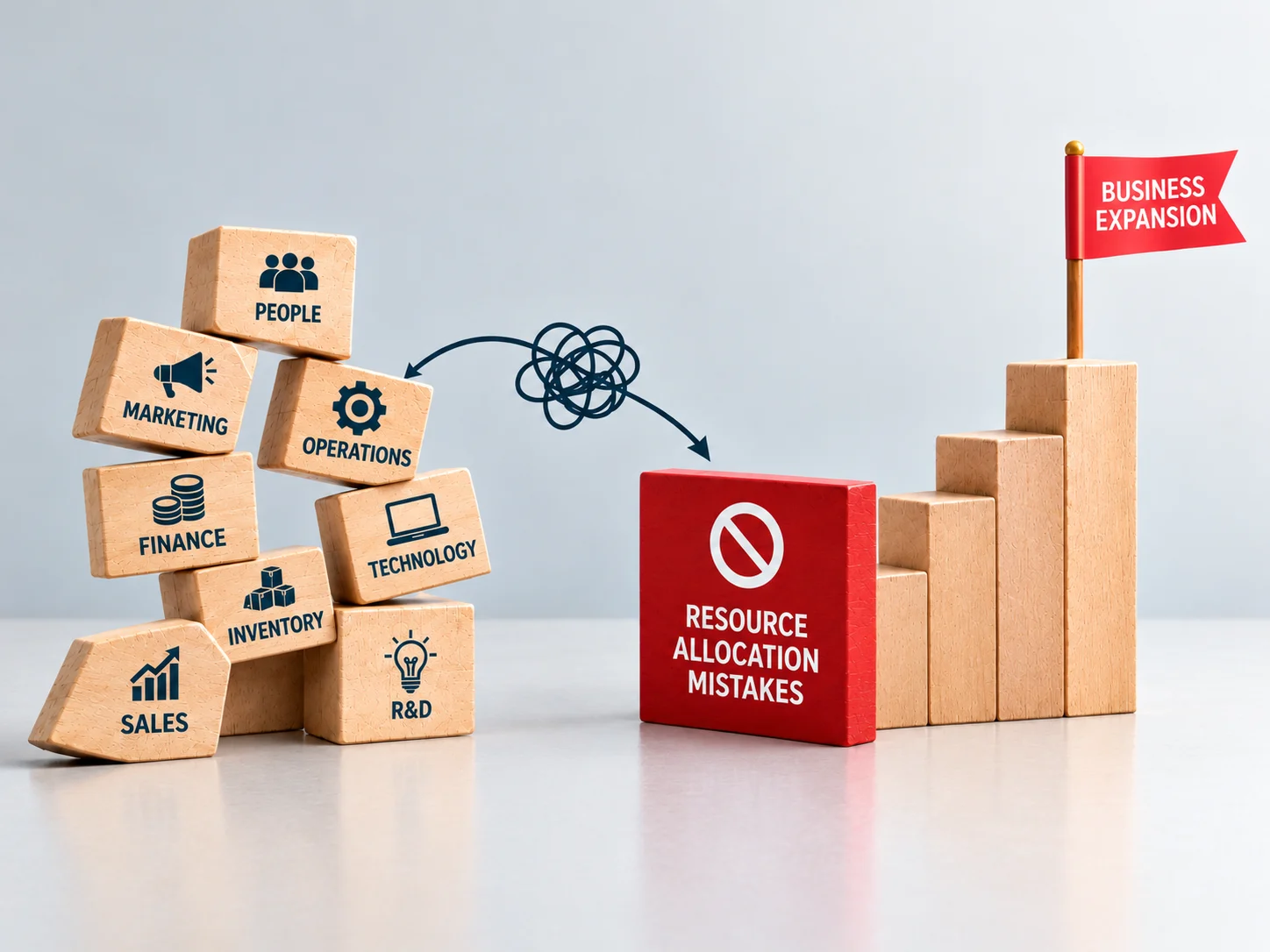
Ask ten SME owners what digital transformation looks like, and most will describe an expensive ERP system or an AI tool they once saw demoed at a conference. That’s usually where businesses get stuck before they’ve even started. In practice, it rarely begins with a big-ticket purchase. It begins with clarity: which tasks quietly eat up time without adding value, and which decisions are still being made on gut feel instead of real numbers.
Many owners we’ve spoken with put it in nearly the same words: they don’t need more tools, they need the tools they already own to talk to each other. That’s really what technology stack optimization comes down to, not piling on new systems, but making the ones already in place work as one. This is one of the first things Mountain Monk Consulting looks at with a new SME client, well before any conversation about AI even comes up. AI adoption for Indian businesses tends to succeed when it solves one specific, visible problem, not because a competitor happens to be using AI too.
Most SMEs aren’t struggling because they’re resistant to technology. Their current setup simply feels “good enough” to get by. That comfort has a quiet cost, though. Teams spend hours every week on tasks that automation for small businesses could handle in minutes, and founders end up deciding things without real-time visibility into what’s actually happening. None of this feels urgent on any given day. But stretched across a year, it’s often the difference between a business that scales smoothly and one that keeps hitting the same ceiling.
What an AI Readiness Assessment for SMEs India Looks Like
Before spending on automation or AI tools, a business needs an honest read on where it currently stands. That’s the real value of an AI readiness assessment for SMEs in India: it becomes the foundation everything else is built on.
A proper assessment looks closely at four things. It checks data maturity, whether information is centralised or scattered across spreadsheets and disconnected apps. Process clarity comes next, whether workflows are actually documented or living entirely in a handful of people’s heads. Team readiness gets weighed too, gauging whether employees will take to new systems comfortably or push back. And finally, it identifies business impact potential, pinpointing exactly where automation would move the needle most, whether that’s sales, operations, finance, or service delivery.
Skip this groundwork, and digital transformation for SMEs quickly turns into guesswork, with businesses often ending up buying tools that look impressive in a demo but never quite fit how they actually operate. This kind of SME digital transformation journey works best when it rests on honest evaluation rather than assumptions borrowed from someone else’s business.
If you’re unsure where your business currently stands, a quick growth readiness test can be a useful starting point.”
What Digital Transformation for SMEs Actually Delivers
Once the groundwork is solid, digital transformation for SMEs pays off well beyond the IT department. Automation takes on the repetitive work that eats into the team’s day, cutting down manual errors and turnaround time in the process. Customers get faster responses instead of having to chase for updates, which quietly changes how they experience the business overall. Founders gain real-time visibility, so pricing, hiring, and stocking decisions rest on current numbers rather than last month’s guesswork. Over time, this also brings down operating costs, through less rework, fewer stockouts, and far less manual reconciliation between systems. Maybe the most underrated benefit is that it builds a business that’s easier to hand over one day, simply because the processes live inside systems instead of inside one person’s head.
Common Challenges Indian SMEs Face, and How to Get Past Them
Most of the hesitation around digital transformation for SMEs comes down to a small set of familiar worries, and each one usually has a fairly simple answer.
Budget concerns come up most often, but most journeys actually start by optimising tools a business already owns rather than making a large upfront purchase. Worries about team resistance tend to fade quickly once employees see even one tedious task genuinely disappear from their plate. A proper readiness assessment answers the question of whether a system will scale with the business, since it points toward tools built to grow rather than tools that top out early. And not knowing where to begin is completely normal; a digital transformation consultant for growing businesses exists exactly to close that gap.
Technology Stack Optimization: Doing More With What’s Already There
Most SMEs already own more useful technology than they’re actually using well. Technology stack optimization means auditing the tools already in place, closing the overlaps and gaps between them, and connecting systems so information flows automatically instead of being re-entered manually five times a day by someone on the team.
A well-optimised stack means the CRM actually talks to the invoicing software, and nobody on the team is switching between six browser tabs just to finish one task. This single step often delivers more value than any new AI purchase, simply because it removes friction from work that’s already happening every day anyway. Once the stack is running cleanly, the next stage, layering in AI-powered automation, becomes far easier and considerably less risky.
Automation for Small Businesses: Start Where the Pain Is Loudest
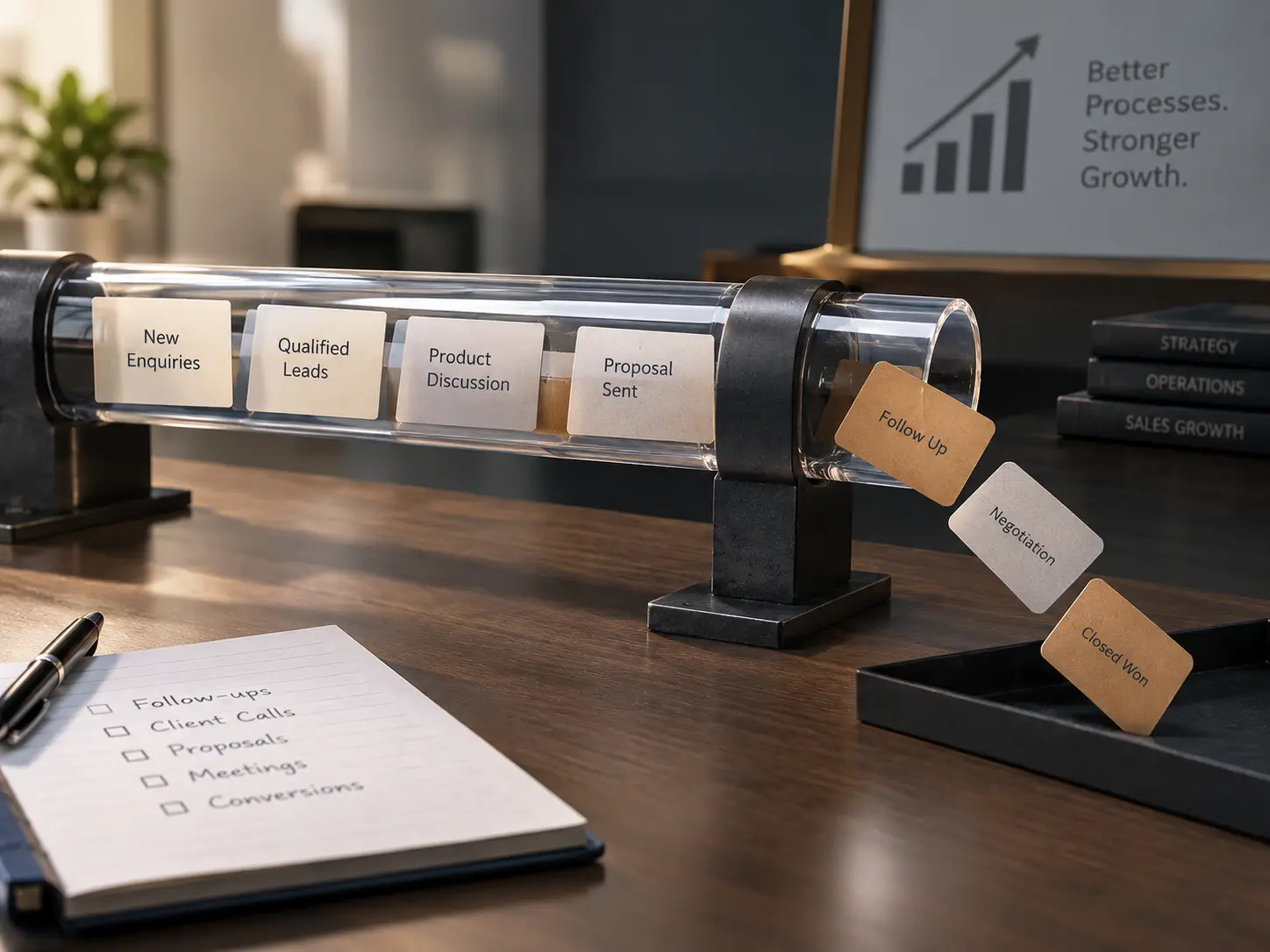
Automation for small businesses doesn’t need to be complicated to work well. Some of the highest-impact starting points include automating follow-ups for leads that would otherwise go cold, using AI to handle repetitive customer queries, automating invoicing and payment reminders, setting up inventory alerts that flag problems before they disrupt production, and building simple reporting dashboards that finally replace manual, end-of-month spreadsheet compilation.
None of this calls for a massive overhaul on day one. It usually helps to pick the one task the team complains about most and fix that properly first. Momentum tends to build naturally from there, and that’s usually what makes the broader idea of digital transformation for SMEs feel achievable rather than intimidating.
How to Start Digital Transformation for Small Business
For SME owners wondering how to start digital transformation for small business without disrupting daily operations, a phased approach tends to work well for growing Indian businesses. The first phase is about assessing and prioritising: running an honest AI readiness assessment for SMEs India and identifying just the two or three areas causing the most friction, rather than trying to fix everything at once. The second phase is about optimising before automating: cleaning up and connecting the existing technology stack first so that any automation added later actually has reliable data to work with.
The third phase is where automation, measurement, and expansion come in: introducing automation for small businesses in the highest-impact areas identified earlier, tracking the results carefully, and using those results to justify the next move. Digital transformation for SMEs tends to succeed precisely because it’s treated as an ongoing, measured journey rather than a single big-bang project.
When Should a Business Bring in a Digital Transformation Consultant?
Getting digital transformation for SMEs right rarely happens in isolation, though. Plenty of SME owners try to work this out on their own first, which is a reasonable place to start. But there’s often a point where an outside perspective ends up saving far more time and money than it costs. A digital transformation consultant for growing businesses tends to become genuinely useful once a founder is unsure which investments will actually pay off, once past software purchases haven’t delivered, or once the team is simply too stretched to properly evaluate new systems on their own.
The right consultant doesn’t just hand over a list of tools. They help build a proper readiness assessment, prioritise the right starting points, and put changes in place that the team can realistically adopt without burning out in the process. This is the thinking behind Mountain Monk Consulting’s Digital Transformation Service, built specifically for SMEs that want to modernise without the usual guesswork.
Conclusion
AI readiness was never about being the most technologically advanced business in the industry. It’s about honesty, about knowing exactly where the systems, data, and team currently stand, and taking deliberate, well-sequenced steps from there. Digital transformation for SMEs isn’t a switch that gets flipped overnight. It’s a series of smart, sequential decisions: assessing readiness honestly, optimising what already exists, and automating only where it genuinely helps. SMEs that approach it this way through 2026 won’t just be keeping up. They’ll be setting the pace for everyone else in their industry.
Ready to Find Out Where Your Business Actually Stands?
Anyone reading this far and wondering, “Are we actually ready, or are we just guessing?” That’s a completely normal place to be. Most SME owners feel exactly the same way before they get real clarity on their own systems.
Mountain Monk Consulting helps growing businesses answer that question properly through a structured readiness assessment, honest recommendations, and a digital transformation service built around what a business can realistically absorb, not around generic technology trends doing the rounds online. No pitch, no pressure, just a straightforward conversation about what a sensible next step actually looks like for your business.
Let’s Talk – Free Digital Transformation Conversation
Frequently Asked Questions
What is digital transformation for SMEs?
Digital transformation for SMEs means using automation, AI, and connected software to improve how a business runs and serves customers, rather than just digitising isolated tasks.
How can a small business start digital transformation on a limited budget?
Start by identifying where time is being lost, optimise the tools you already own, and automate one high-friction process before expanding further.
What is an AI readiness assessment for SMEs in India?
It’s a structured evaluation of a business’s data, processes, and team readiness, done to ensure any automation or AI investment actually fits how the business operates.
What is the difference between automation and AI for small businesses?
Automation handles repetitive, rule-based tasks like reminders, while AI goes further by helping with predictions and decisions based on patterns in business data.
When should a business hire a digital transformation consultant?
When past technology investments haven’t delivered results, or the team lacks time to properly evaluate new systems, a consultant helps avoid costly missteps – this is often the point where SMEs bring in a firm like Mountain Monk Consulting for a structured assessment.