


Ask most SME founders what’s holding their business back, and very few will say “HR.” They’ll talk about sales, cash flow, or a big client they’re chasing. But dig a little deeper, and a familiar frustration usually surfaces – the same few people carrying most of the workload, good hires leaving within a year, and the founder still approving things that a manager should be deciding on their own. That frustration is HR management for small business, even if nobody in the room calls it that. And it’s rarely fixed by hiring one more employee – it’s fixed by building HR management for small business into how the company runs.
A founder we spoke with during a Mountain Monk Consulting conversation put it bluntly: “I didn’t think I needed an HR person. I thought I needed better employees. Turns out I needed both.” That distinction matters. As Indian SMEs scale past a certain size, the businesses that keep growing smoothly are rarely the ones with the most talented individuals – they’re the ones where people, roles, and accountability are managed deliberately instead of left to sort themselves out.
Why HR Management for Small Business Is Becoming a Growth Priority in 2026
For years, HR was treated as something SMEs would “figure out later” – a function for bigger companies with dedicated departments and formal policies. That assumption is breaking down fast. As competition for good talent tightens and employee expectations around growth, flexibility, and clarity keep rising, HR management for small business has moved from a back-office task to a direct driver of whether a company scales or stalls.
The businesses feeling this shift most acutely are founder-led SMEs, where the founder has historically been the hiring manager, performance reviewer, mediator, and sometimes even the person tracking leaves in a notebook. That approach works when a team is five people. It breaks down quietly somewhere between fifteen and fifty, exactly the stage where most Indian SMEs are trying to grow fastest. This is why HR management for small business matters now – because the cost of getting it wrong scales right alongside the business.
How Poor HR Management Affects Business Growth
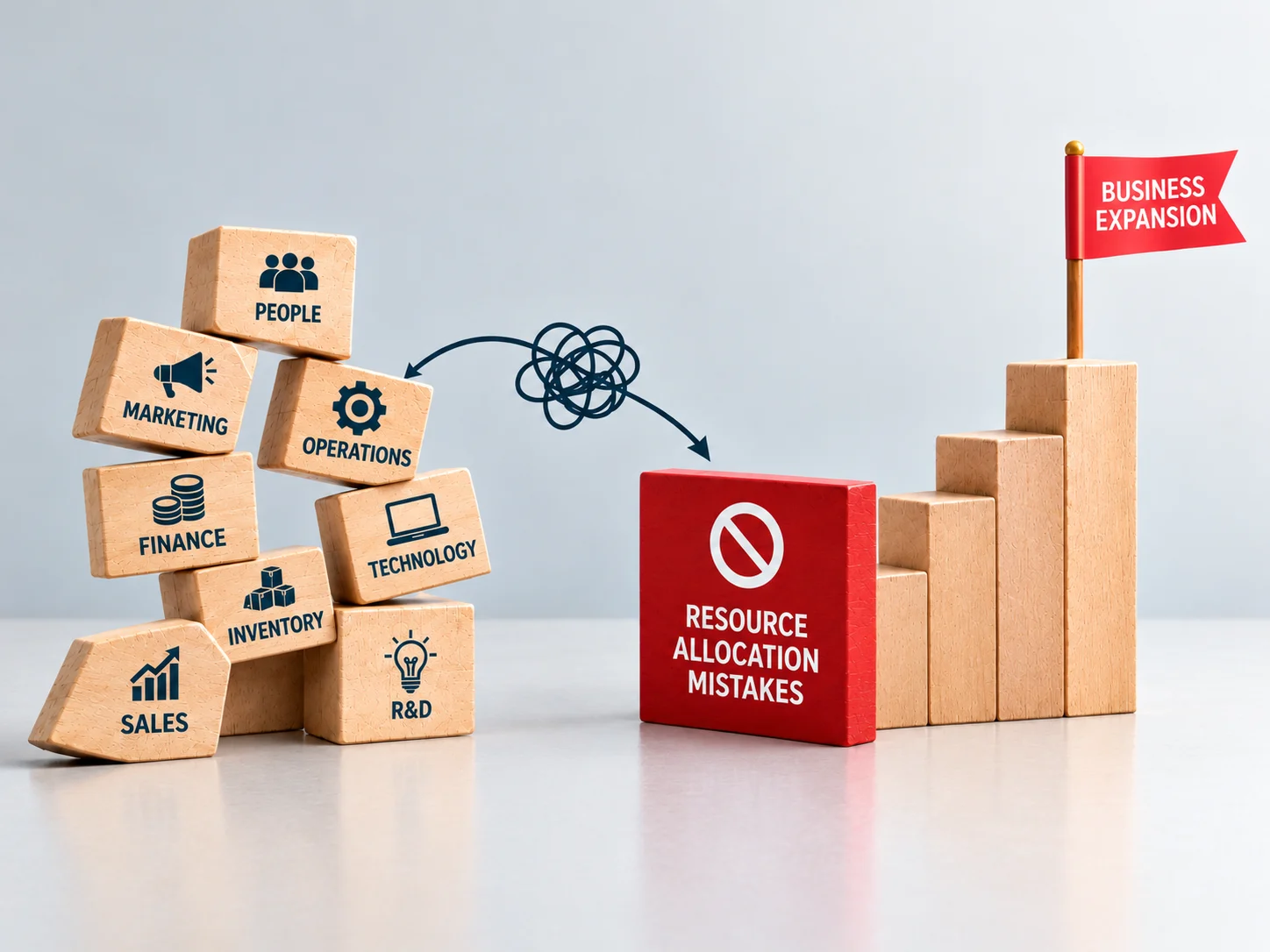
The connection between HR and growth isn’t always obvious, because poor HR management for small business rarely shows up as an HR problem first. It shows up as missed deadlines nobody can quite explain, a star performer who quietly disengages, or a founder who can’t take a week off without the business wobbling. These are the everyday symptoms of how poor HR management affects business growth – not through one dramatic failure, but through a slow accumulation of avoidable friction.
Recruitment done reactively, only once a role becomes urgent, means new hires are rushed into positions without proper onboarding, which shows up months later as underperformance nobody planned for. Performance conversations that only happen during a crisis mean small issues turn into resignations before anyone addresses them. And when accountability lives entirely in the founder’s head rather than in clear roles and expectations, growth becomes personally exhausting instead of structurally supported. None of this looks catastrophic in any given month. Over a year, though, it’s often the real reason revenue targets get missed even when the market opportunity was there all along.
HR Management Challenges in Business Growth for Founder-Led SMEs
Most HR management challenges in business growth trace back to the same root cause – a business that has outgrown informal, founder-dependent HR management for small business, but hasn’t yet built anything to replace it. Retention is usually the first challenge founders notice, because losing a trained employee is expensive and visible almost immediately. But retention problems are rarely about salary alone; they’re often about employees not having a clear growth path, not receiving regular feedback, or watching managers make decisions without any consistent process behind them.
Accountability is the second major challenge, and it’s closely tied to the founder’s own instincts. In the early days, the founder personally caught every mistake and personally praised every win, which felt like leadership. As the team grows, that same instinct becomes a bottleneck – employees wait for the founder’s approval instead of owning outcomes because the founder never formally handed them ownership. A third challenge is inconsistency – different managers handle similar situations differently because no shared framework guides decisions on performance, conduct, or growth. Left unaddressed, these HR management challenges in business growth compound each other, making every subsequent hire harder to onboard and every existing employee a little more likely to leave. At Mountain Monk Consulting, this pattern shows up in nearly every founder-led SME we work with, regardless of industry.
What Best HR Practices Actually Look Like for a Growing SME
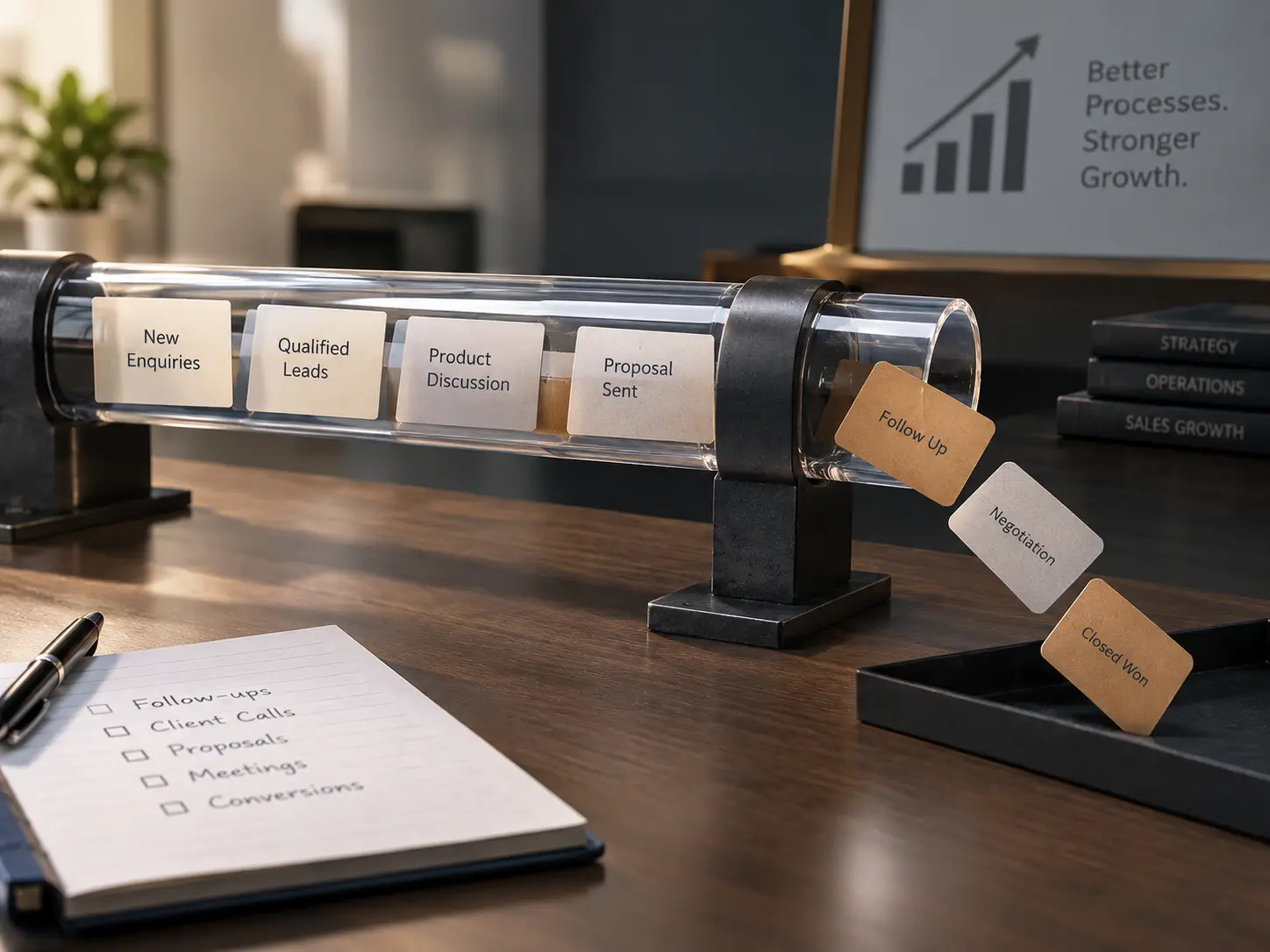
Best HR practices for a growing Indian SME rarely resemble what a large corporate HR department does. They don’t need elaborate policy manuals or software most employees will never open. What they need is consistency – clear expectations set at the point of hiring, regular and honest feedback instead of once-a-year reviews, and a simple, repeatable process for handling performance issues before they become resignation letters. Job roles that are written down and understood, rather than assumed, prevent the confusion that quietly damages team morale. And a basic, visible growth path – even an informal one – gives capable employees a reason to build their career inside the company instead of outside it.
Businesses that get HR management for small business treat it as an ongoing discipline, not a one-time policy document. It’s less about paperwork and more about making sure every employee knows what to expect, how they’re doing, and where they could go next if they keep performing.
People Performance Management: Building Accountability Without Micromanaging
People performance management is often where founder-led SMEs struggle most, because the instinct is to either control every detail personally or step back entirely and hope things work out. Neither approach builds real accountability. Effective people performance management means setting clear, measurable expectations for each role, checking in on progress regularly rather than only at review time, and giving employees enough ownership over outcomes that they start solving problems before escalating them upward.
This shift changes the founder’s role fundamentally. Instead of being the person who personally verifies every decision, the founder becomes the person who built a system where good decisions happen without their constant involvement. That’s usually the real marker of a business ready to scale past its founder’s personal bandwidth – not revenue alone, but whether people performance management has replaced founder oversight as the thing holding HR management for small business together.
HR Strategies for Founder-Led Businesses
HR strategies for founder-led businesses need to account for a reality most generic HR advice ignores – the founder usually still handles hiring, culture, and at least some performance decisions, and that’s not necessarily a bad thing to preserve. The goal isn’t to remove the founder from people decisions entirely; it’s to stop the founder from being the single point of failure for every one of them. That starts with documenting the decisions the founder currently makes from memory – who’s responsible for what, how managers evaluate performance, and what triggers a difficult conversation – so someone else can eventually make those decisions consistently.
It also means building in structured check-ins before problems become crises, rather than relying on the founder noticing tension in the room. And it means accepting that some HR investment, even a modest one, usually pays for itself many times over in reduced turnover and fewer costly hiring mistakes. Founders who treat HR strategies as an extension of business strategy, not a separate HR-only concern, tend to build teams that can actually carry growth instead of constantly needing rescue. This is what HR management for small business looks like when it’s done well – quiet, systemic, and largely invisible from the outside.
When Should You Bring in HR Consulting Services?
Many founders try to handle all of this themselves for years, which is a completely reasonable starting point when a team is small. But there’s usually a clear point where bringing in outside HR consulting services saves significantly more than it costs – particularly once retention problems start repeating, or the founder can no longer personally track performance across a growing team.
HR consulting services become valuable when a business needs structured hiring and onboarding processes but doesn’t have the internal expertise to build them, when performance management exists only informally, or when the founder wants to build a stronger leadership layer without guessing at how to do it. The right support doesn’t hand the founder a generic policy template – it builds HR management for small business around how the company actually operates and helps translate the founder’s instincts into a system the whole team can rely on. This is the structured approach behind Mountain Monk Consulting’s People and Organisation Performance service, built specifically for founder-led SMEs that are ready to grow past founder-dependent people management.
Conclusion
HR management for a small business isn’t about becoming a large, process-heavy organisation overnight. It’s about recognising that as a team grows, the informal instincts that worked at five people quietly stop working at twenty-five, and building just enough structure into HR management for small business to keep accountability, retention, and performance from becoming the ceiling on growth. The SME founders who treat this seriously in 2026 won’t just retain better teams – they’ll finally get to step back from being the business’s single point of failure.
Ready to Build a Team That Doesn’t Depend Entirely on You?
If reading this made you think about an employee who left last year for reasons you still can’t fully explain, or a manager who still checks with you before making decisions they should own, that’s an extremely common place for a growing SME to be.
We help founder-led businesses build practical, sustainable HR management through Mountain Monk Consulting’s People and Organisation Performance service, designed around real accountability and retention, not generic HR paperwork nobody will use. No pitch, no pressure, just a straightforward conversation about where your team stands today and what a sensible next step looks like.
Let’s Talk – Free HR & People Strategy Conversation
Frequently Asked Questions
1. What is HR management for small business?
It’s the practice of managing hiring, performance, accountability, and retention deliberately, so a growing team supports the business instead of depending entirely on the founder to hold everything together.
2. How does poor HR management affect business growth?
It shows up as missed deadlines, disengaged top performers, and a founder who can’t step away without the business wobbling – all symptoms of accountability and retention issues left unaddressed for too long.
3. What are the biggest HR management challenges in business growth for SMEs?
Retention, inconsistent accountability, and decision-making that still runs through the founder rather than through clear roles and processes are the three most common challenges as teams scale.
4. What are the best HR practices for a growing Indian SME?
Clear expectations at hiring, regular honest feedback instead of annual reviews, documented job roles, and a visible growth path for employees – all without needing elaborate corporate HR systems.
5. What is people performance management, and why does it matter?
It’s the ongoing process of setting expectations, tracking progress, and giving employees real ownership over outcomes, so quality doesn’t depend on the founder personally checking every decision.
6. What HR strategies work best for founder-led businesses?
Documenting the people decisions the founder currently makes from memory, building structured check-ins before problems escalate, and treating HR as part of business strategy rather than a separate function.
7. When should an SME consider HR consulting services?
When retention problems keep repeating, performance management exists only informally, or the founder can no longer personally track performance across a growing team, outside HR consulting services typically pay for themselves quickly.
8. Does a small business really need formal HR before hiring a large team?
Yes, ideally before the team grows past a size the founder can manage personally – usually somewhere between fifteen and fifty employees – since retrofitting HR structure later is harder than building it early.